
Yellowstone National Park is one of the most fascinating natural destinations in the world, famous for its active geysers, thermal formations, colorful hot springs, and thriving wildlife. Located across Wyoming, Montana, and Idaho, it attracts millions of visitors every year who want to explore the Yellowstone geysers and wildlife that make this park unique. From powerful eruptions of Old Faithful to herds of bison wandering through wide open valleys, the experience feels like stepping into a massive outdoor museum where every corner reveals something magical.
Travelers who come for Yellowstone geysers and wildlife tours enjoy a rare combination of geothermal science, national park adventures, scenic landscapes, rich history, and unforgettable wildlife encounters. Whether it is the thrill of seeing wolves in Lamar Valley or observing a boiling mud pot gurgling like a cauldron, Yellowstone continues to inspire awe for visitors from around the world.
Yellowstone’s geysers exist because the entire park sits on top of one of the largest volcanic systems on Earth. The Yellowstone Caldera, also known as a supervolcano, powers thousands of geothermal features including hot springs, steam vents, fumaroles, mud pots, thermal pools, and geysers. This underground volcanic activity heats groundwater, causing pressure to build until the water erupts upward in tall columns of steam and boiling water.
Yellowstone contains over 10,000 geothermal features, making it home to more geysers than the rest of the world combined. The unique combination of heat, water, and underground plumbing systems allows these geysers to behave like natural fountains. Some erupt on a predictable schedule while others remain mysterious and unpredictable.
Old Faithful is the most iconic geyser in the park because of its predictable eruptions, which typically occur every 90 minutes. Tourists gather around the boardwalk to watch boiling water shoot high into the sky — sometimes up to 180 feet. Nearby, the Upper Geyser Basin hosts a variety of stunning geysers like Grand Geyser, Castle Geyser, Riverside Geyser, and Beehive Geyser, each offering distinctive displays of geothermal power.
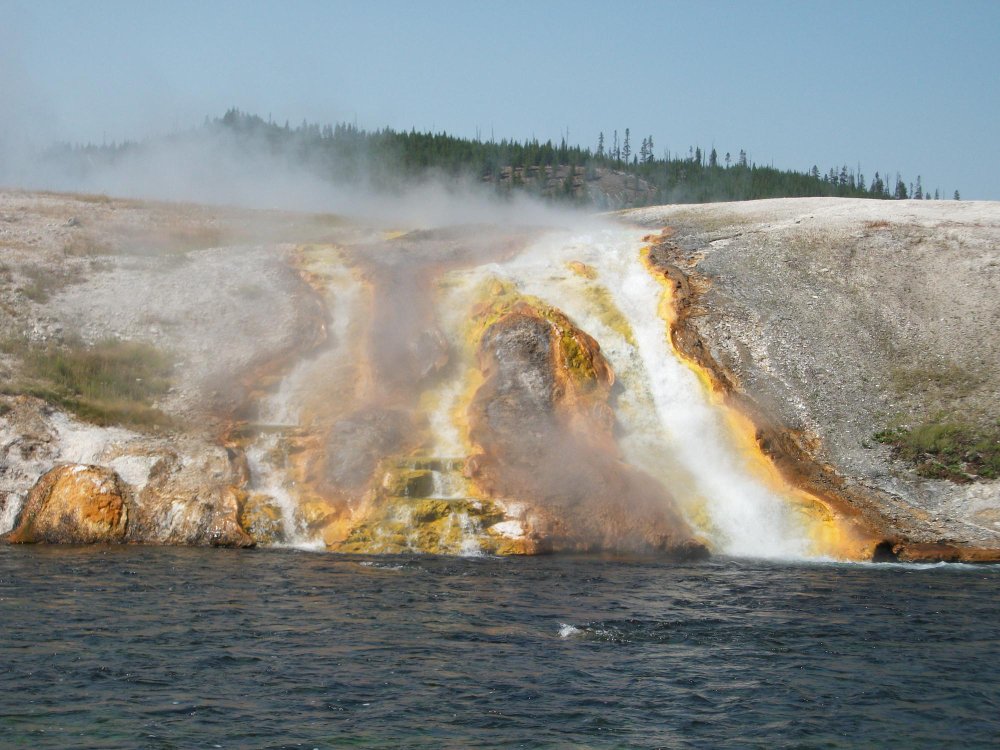
Yellowstone’s geothermal pools are known for their vibrant colors. The famous Grand Prismatic Spring, with its rich rainbow color rings, draws attention for both its size and beauty. The colors come from thermophilic bacteria that thrive in extremely hot temperatures. Shades of blue, yellow, green, and orange blend together to create landscapes that look almost otherworldly.
When visitors walk around these hot springs, they stay on designated boardwalks to avoid damaging the delicate environment and to ensure safety. Some springs are hot enough to cause fatal burns, so strict park rules protect both people and nature.
Mud pots, also known as paint pots, are bubbling thermal pools filled with clay and gas. They produce popping sounds and release steam mixed with the smell of sulfur. Fumaroles, on the other hand, are steam vents where gas escapes from the ground, creating ghostly white plumes. Both features add diversity to Yellowstone’s geothermal environment.
Yellowstone is home to the largest wild bison herd in the United States. Visitors frequently see these massive animals walking near roads, resting in valleys, or grazing in meadows. Bison are unpredictable and can move quickly, so tourists must keep a safe distance even though they may appear calm.
Elk are another common sight, especially in areas like Mammoth Hot Springs and the northern range. They roam in large groups, and during mating season, the male’s bugling call can echo across the landscape. Elk are graceful but also powerful and should be observed from afar.
Lamar Valley is known as “America’s Serengeti” because of its diverse wildlife. Wolves were reintroduced to Yellowstone in 1995, transforming the ecosystem. Today, visitors come to this valley in hopes of spotting wolf packs in their natural habitat. Wildlife enthusiasts and photographers often use binoculars and spotting scopes to observe their behavior.
Yellowstone is home to both black bears and grizzly bears. Black bears often climb trees and can be shy, while grizzly bears are larger and more territorial. Tourists should always follow park guidelines, carry bear spray while hiking, and stay at a safe distance. Bears play a crucial role in maintaining Yellowstone’s natural balance.
Coyotes roam in open fields, often searching for small mammals. Red foxes add a bright splash of color to the snowy winter landscape, easily recognized by their fluffy tails. Each predator contributes to ecological stability.
Among the rarest animals in Yellowstone are the Canada lynx, wolverine, and the elusive mountain lion. These creatures are rarely seen, making them a treasure for dedicated wildlife observers. Yellowstone National Park animals and plants form a delicate ecosystem that researchers continue to study.
Scientists estimate Yellowstone hosts hundreds of species, including:
67 species of mammals
300 species of birds
16 species of fish
Thousands of insects
From butterflies to massive bull elk, each species plays an important role in the ecological web. Yellowstone wildlife continues to evolve as climate conditions shift and food availability changes.
Yellowstone’s wildlife is beautiful but can be dangerous. Bison may charge unexpectedly, bears may feel threatened, and wolves maintain protective territory. Park guidelines clearly explain safe viewing distances:
100 yards away from wolves and bears
25 yards away from bison, elk, moose, and other animals
Following safety rules helps protect both people and wildlife.
Wild animals behave unpredictably, especially during mating or feeding seasons. Responsible tourism ensures that wildlife can live undisturbed and maintain natural behaviors.
Yellowstone geysers and wildlife tours offer travelers a structured and informative way to explore the park. Professional guides bring experience, spotting equipment, and safety insights. Many tours cover Old Faithful, Grand Prismatic Spring, Lamar Valley, Hayden Valley, and Mammoth Hot Springs.
Wildlife safaris start early in the morning or late in the afternoon, when animals are most active. Visitors may see grizzly bears searching for berries, wolves tracking prey, or herds of elk grazing peacefully. Safari vehicles often include roof hatches for unobstructed views.
Travelers who prefer independence can explore using their own car or a car rental. Yellowstone’s scenic drives include numerous pullouts, parking lots, and viewpoints. Visitors are advised to plan ahead, check parking availability, and follow safety rules near wildlife.
Visitors can find a variety of services including restaurants, hotels, lodges, parking lots, car rental kiosks, and restrooms. Although Yellowstone is a natural park, it provides essential amenities for a comfortable trip.
Parking can be crowded during peak season, especially near Old Faithful, Grand Prismatic Spring, and popular viewing areas. Arriving early helps secure parking spots. Public transport is limited, so most travelers rely on cars and rental vehicles.
Hotels and lodges inside the park provide convenience and proximity. Many are historic properties with rustic charm. Nearby towns like West Yellowstone and Gardiner offer additional hotels, restaurants, and stores for food, ice cream, and travel essentials.
Yellowstone’s landscapes vary from pine forests to open meadows, wetlands, and geyser basins. Wildflowers bloom in summer and add bright colors to the scenery. These plants support the diverse wildlife population and create habitats that change with the seasons.
Visitors often describe their first trip to Yellowstone as an unforgettable adventure. Walking along boardwalks, hearing steam hiss from the ground, watching a geyser erupt, and seeing animals roam freely creates a sense of wonder. Many travelers say their adventure among geysers and wild animals in Yellowstone feels like a journey into the heart of nature.

“Yellowstone geysers and wildlife made this the best trip of my life. The geyser eruptions were unbelievable!”

“I saw wolves in Lamar Valley for the first time. Truly unforgettable.”

“Old Faithful and the hot springs felt like natural wonders beyond imagination.”

“Our wildlife tour guide showed us bison, elk, and even a bear. Worth every minute.”

“Grand Prismatic Spring was the most colorful place I’ve ever seen.”

“The geysers, mud pots, and wildlife made this park spectacular.”

“Yellowstone feels like a different planet. The geothermal pools were stunning.”

“Seeing a grizzly bear from a safe distance was exhilarating.”

“Perfect place for families and nature lovers. Highly recommended.”

“Parking was easy early morning. The boardwalks were safe and scenic.”

“Our safari tour gave us close sightings of wolves and bison.”

“Yellowstone’s wildlife and geysers offered a perfect mix of adventure and beauty.”